
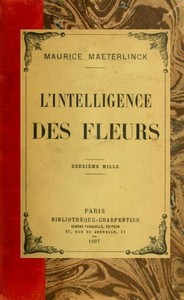
L'intelligence des fleurs by Maurice Maeterlinck
Forget everything you think you know about flowers being passive and decorative. In this 1907 essay, Nobel Prize winner Maurice Maeterlinck invites you to look closer. Much closer. He takes us on a tour of the plant world, but not as a botanist with a clipboard. Instead, he's a fascinated observer pointing out the incredible, often shocking, strategies plants use to survive and reproduce.
The Story
There isn't a traditional plot with characters. The 'story' is the drama of life playing out in meadows, forests, and swamps. Maeterlinck walks us through example after example of floral ingenuity. He shows us flowers that build complex traps to imprison insects, others that use explosive mechanisms to launch their seeds, and vines that execute what looks like deliberate searching movements. He frames these not as random accidents of nature, but as evidence of a profound, silent intelligence. The central thread is his argument that life—all life, even the kind that doesn't move or speak—is driven by a powerful, clever will to exist.
Why You Should Read It
This book changed my daily walks. Maeterlinck's writing is full of genuine awe. He doesn't just describe a mechanism; he marvels at it. You feel his excitement when he explains how the squirting cucumber fires its seeds, or the intricate lock-and-key system of certain orchids and their pollinating bees. He connects these botanical facts to bigger ideas about consciousness, purpose, and the mystery of life itself. It’s philosophy disguised as a nature walk. Reading it, you start to see the world as he does: not as a collection of things, but as a conversation of countless living wills, each fighting its own clever, beautiful battle.
Final Verdict
Perfect for curious minds who feel stuck in a routine and need a fresh perspective. If you enjoy authors like Robin Wall Kimmerer or the mindful observation of Annie Dillard, you'll find a kindred spirit in Maeterlinck. It's also a great pick for gardeners who want to deepen their connection to their plants. Fair warning: it’s not a fast-paced modern read; it’s a slow, thoughtful sip of a book. But if you let it, it will make the ground beneath your feet feel vividly, intelligently alive.
This is a copyright-free edition. Access is open to everyone around the world.
Jessica Anderson
9 months agoTo be perfectly clear, the storytelling feels authentic and emotionally grounded. Thanks for sharing this review.






Donald White
1 year agoI was skeptical at first, but the clarity of the writing makes this accessible. This story will stay with me.